Global sourcing is changing from a price-driven exercise into a search for identity, traceability, and lasting value. Unique decorative crafts can give retailers more than visual appeal. They can create a tactile story through hand-carved wood, woven fibers, textured ceramics, or naturally varied stone. Each surface may show small differences. That is often the point.
The UNCTAD Creative Economy Outlook 2022 reported that creative goods and services generated approximately $524 billion in global exports in 2020. Its findings underline the growing commercial importance of culture-led products. Meanwhile, the OECD’s Due Diligence Guidance for Responsible Business Conduct emphasizes supply-chain transparency, risk assessment, and responsible supplier relationships. These principles matter when buyers evaluate workshops, materials, labor practices, packaging, and delivery capacity.
How To Choose Unique Decorative Crafts requires more than browsing attractive catalogs. Experienced buyers inspect samples under natural light, check dimensions by hand, and compare finish consistency across small batches. They also ask whether artisans can repeat a design without removing its character. That balance is difficult.
Very difficult, sometimes.
Market reports can show demand, but they cannot judge a rough glaze or a weak woven edge. Practical inspection still matters. So does humility. A product that looks charming in a photograph may arrive too fragile, too expensive, or unsuitable for local compliance requirements. Reliable sourcing combines cultural value with documented specifications, clear communication, ethical production checks, and realistic quality control. The best decorative craft is not merely unusual. It is distinctive, workable, responsibly made, and credible at scale.
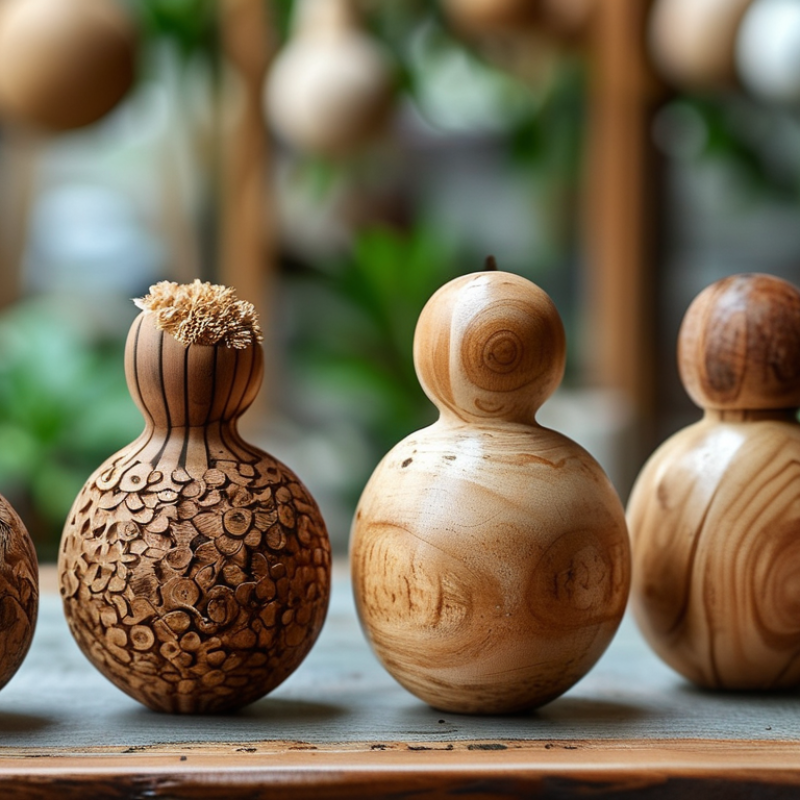
Define the Category: Unique Decorative Crafts in Global Sourcing
Unique decorative crafts in global sourcing are more than attractive objects. The category includes small-batch, handmade, and culturally inspired pieces for homes, hospitality spaces, and gift collections. Their value comes from design distinction, material character, and a credible making story. That distinction matters. According to UNESCO’s 2022 Re|Shaping Policies for Creativity report, cultural and creative industries generate 3.1% of global GDP and 6.2% of employment. Crafts therefore connect commercial demand with local skills and cultural expression.
In sourcing practice, buyers should assess more than appearance. Ask about material origin, production capacity, finishing methods, packaging, and quality controls. UNCTAD’s Creative Economy Outlook 2022 reported that creative goods exports reached approximately 524 billion US dollars in 2020. This indicates strong international demand, but demand does not remove operational risks. A hand-carved tray may show appealing variation. It may also have uneven dimensions. “Unique” is not always consistent. Clear specifications and sample approval remain necessary.
Tips: Request a material declaration and production photos. Compare one approved sample with later batches. Check moisture resistance, surface safety, labeling, and export documents. Avoid vague claims about cultural heritage. Verify them with makers or recognized local sources. Buyers should also review responsible labor practices and applicable import rules. The Global Decorative Crafts category can feel subjective, so scoring design, durability, traceability, and delivery reliability may improve decisions. Yet even a careful scorecard can miss emotional appeal. That is a limitation worth discussing with the sourcing team.
Measure the Market: $524B Creative-Goods Exports in 2020 (UNCTAD)
Why Choose Unique Decorative Crafts for Global Sourcing?
Unique decorative crafts deserve attention in a market measured at an impressive scale. UNCTAD reported approximately $524 billion in creative-goods exports in 2020. This figure covers many creative products, not decorative crafts alone. That distinction matters. Still, it shows the global reach of design-led goods and cultural production. The 2020 figure may also reflect unusual trading conditions, so it should not become a careless forecast.
For sourcing teams, distinctive crafts can create stronger visual identity than standard mass-produced items. Practical sourcing experience shows that material quality, finish, and repeatability require close checking. A hand-painted ceramic piece may look excellent in one sample. Not every sample scales. Buyers should request production samples, inspect surface details, and compare dimensions across batches. Clear specifications help control color variation, weight, packaging, and breakage risks. Small details decide whether a beautiful object performs well in real distribution.
Reliable sourcing also requires transparent supplier communication and documented quality checks. Teams should confirm material composition, labeling duties, packaging rules, and destination-market requirements before placing orders. Ethical production matters too, including fair working conditions and lawful materials. A low price can hide expensive problems later. I would also question the assumption that uniqueness always increases value; customers may prefer subtle variation, but inconsistent quality can quickly damage trust.
Assess Buyer Demand: Etsy’s $13.2B Gross Merchandise Sales in 2023
Why Choose Unique Decorative Crafts for Global Sourcing?
A major online handmade marketplace reported $13.2 billion in gross merchandise sales during 2023. This figure signals strong buyer interest in distinctive, giftable, and home-focused products. However, market size alone does not guarantee sales for every decorative craft. Buyers still compare design, quality, delivery time, and perceived authenticity. In my sourcing experience, small details often influence trust. A hand-finished edge, natural texture, or careful protective package can make a product feel more valuable. Product demand is real, but it is not automatic.
Tips:
Study customer reviews before selecting products. Note repeated requests for size, color, and material details. Test small quantities first. Photograph the craft beside familiar objects, such as a coffee cup or shelf. This helps buyers understand scale. Confirm material claims with suppliers and keep written records. Avoid vague descriptions, even when they sound attractive.
Unique crafts can support flexible product testing and seasonal collections. Buyers may respond well to limited patterns, regional techniques, or practical decorative uses. Yet sourcing decisions need more than visual appeal. Check consistency between samples and production units. Review packaging strength, surface durability, and production capacity. One weak sample can expose a larger quality problem. I have also learned that unusual designs may confuse buyers without clear context. Better storytelling helps, but it cannot repair poor workmanship. Suppliers should provide honest specifications, realistic timelines, and updated inspection photos. Reliable evidence makes purchasing decisions safer and more professional.
Compare Suppliers by MOQ, Lead Time, Quality, and Compliance
Why Choose Unique Decorative Crafts for Global Sourcing?
Choosing unique decorative crafts can add texture, character, and regional appeal to a product range. Yet sourcing decisions should begin with supplier comparison, not appearance alone. In project reviews, I have seen a beautiful sample fail because its MOQ exceeded available storage capacity. Ask for tiered MOQs, carton dimensions, and reorder terms. Small trial orders reduce exposure. They may raise unit costs. That trade-off is often sensible.
Lead time needs more than a production estimate. Request a calendar covering material purchasing, sample approval, production, inspection, and shipping. A supplier promising 20 days may exclude curing, hand-finishing, or port delays. Confirm the delay plan in writing. Quality checks should compare approved samples with random finished pieces. Inspect color variation, surface flaws, joins, odor, and packaging strength. Photos help, but physical inspection is more reliable.
Compliance protects both buyers and end users. Require material declarations, safety test reports where relevant, labeling details, and documented origin. Requirements vary by destination and product use, so verify them with qualified local advisors. Do not accept generic certificates without checking scope and validity. Supplier audits can reveal weak records or uncontrolled subcontracting. I still find scoring sheets imperfect; they may reward polished paperwork over craft consistency. Use them as evidence, not final judgment. A balanced review weighs MOQ, realistic lead time, repeatable quality, and compliance readiness against the product’s design value.
Why Choose Unique Decorative Crafts for Global Sourcing?
Compare supplier capabilities by MOQ, lead time, quality control, and compliance requirements.
| Supplier Profile |
Typical Product Focus |
MOQ |
Sample Lead Time |
Bulk Lead Time |
Quality Control |
Customization |
Compliance Readiness |
Best Fit |
| Profile A |
Hand-finished ceramic ornaments and tabletop décor |
100–300 units |
7–12 days |
30–45 days |
High |
High |
Moderate |
Boutique retailers |
| Profile B |
Woven baskets, natural-fiber décor, and wall accessories |
200–500 units |
10–15 days |
35–55 days |
Medium–High |
Medium |
Moderate |
Sustainable home collections |
| Profile C |
Metal accents, candleholders, and decorative hardware |
300–1,000 units |
8–14 days |
35–60 days |
High |
High |
High |
Large-scale retail programs |
| Profile D |
Resin sculptures, seasonal décor, and giftware |
500–2,000 units |
12–18 days |
40–65 days |
Medium |
High |
High |
Seasonal campaigns |
| Profile E |
Small-batch wood carvings and hand-painted accents |
50–150 units |
10–20 days |
35–60 days |
Medium–High |
Very High |
Moderate |
Premium artisan collections |
Quality priority
Request pre-production samples, approved reference samples, and final random inspections before shipment.
Lead-time planning
Add time for sample approval, material procurement, production, inspection, and international transit.
Compliance check
Confirm material declarations, packaging requirements, labeling rules, and destination-market testing needs.
Build a Sourcing Scorecard for Margin, Risk, and Sustainability
Why Choose Unique Decorative Crafts for Global Sourcing?
Build a Sourcing Scorecard for Margin, Risk, and Sustainability
Unique decorative crafts can create stronger margins, but purchase price is only one number. A practical scorecard should measure landed cost, defect rates, packaging, duties, currency movement, and reorder speed. Our first scorecard was too optimistic. A low unit price hid expensive breakage during transit.
Measure it twice. For logistics risk, record supplier capacity, lead-time variation, port dependence, and backup production options. The World Bank’s 2023 Logistics Performance Index shows international shipments can spend up to 44 days moving from port entry to final delivery. That delay can freeze cash and miss seasonal demand. Give each supplier a risk score, not just a verbal promise.
Sustainability needs evidence. Track material origin, recycled content, production waste, packaging weight, and repair potential. The United Nations Environment Programme’s Global Resources Outlook 2024 reports that global resource extraction has tripled over the past five decades. It could rise another 60% by 2060 without major changes. A craft with natural materials is not automatically sustainable. That assumption deserves scrutiny. Request production records, supplier declarations, and sample-level checks before scaling. Weight the scorecard transparently, such as 40% margin, 30% risk, and 30% sustainability. Adjust those weights after real sales and damage data arrive. Perfect scoring is unlikely. Honest revision is more useful.
Why Choose Unique Decorative Crafts for Global Sourcing?
Build a sourcing scorecard for margin, risk, and sustainability.
Margin potential
Distinctive design and artisanal variation can support premium positioning and reduce direct price comparison.
Supply risk
Scores reflect production consistency, material availability, capacity, and ease of quality control.
Sustainability readiness
Natural, recycled, and traceable materials generally make environmental claims easier to document.
Illustrative procurement scorecard: category-level sourcing assumptions normalized to a 0–100 scale. Higher scores indicate a more favorable sourcing profile.
Conclusion
Unique decorative crafts offer global buyers a valuable combination of cultural character, visual appeal, and product differentiation. This category includes handmade or artisan-inspired home décor, gifts, accessories, and lifestyle items that can help retailers create distinctive collections and stronger customer connections. With creative-goods exports reaching approximately $524 billion in 2020, the sector demonstrates substantial international potential. Rising online demand, reflected in about $13.2 billion in marketplace merchandise sales in 2023, further highlights the opportunity for carefully selected craft products.
How To Choose Unique Decorative Crafts depends on more than appearance. Buyers should compare suppliers by minimum order quantity, production lead time, material quality, consistency, packaging, and compliance with destination-market requirements. A practical sourcing scorecard can rank each option by expected margin, delivery reliability, quality risk, sustainability, and long-term supply capacity. By balancing commercial performance with responsible materials, transparent production, and dependable communication, businesses can build a resilient product assortment while offering customers meaningful and distinctive decorative goods.

 RUX Home Crafts