Why Choose Handmade Crafts for Home Decor?

Time:2026-10-20 Author:Isabella
0%

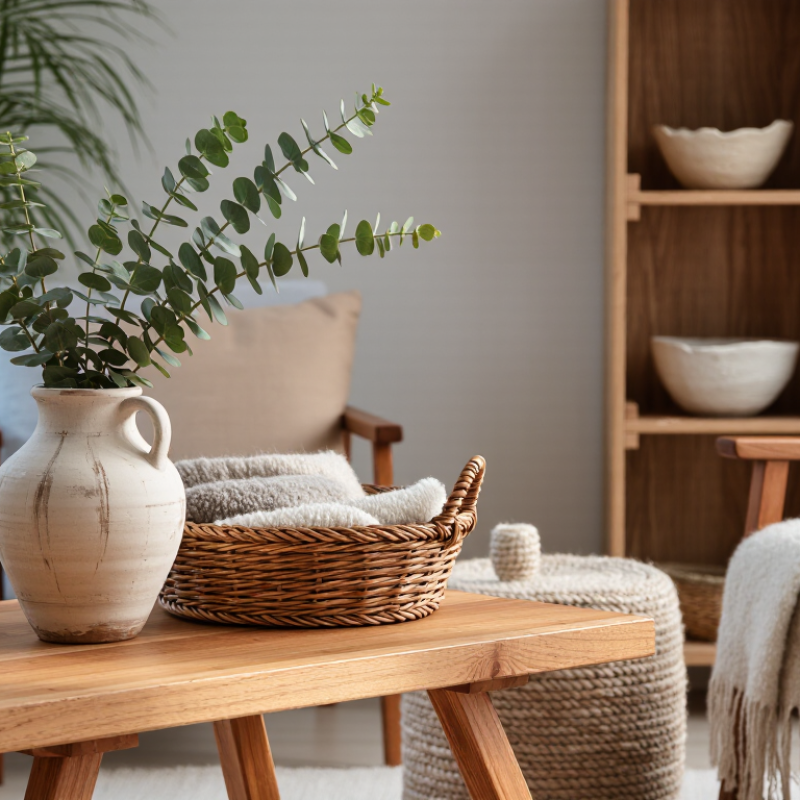
Handmade crafts bring warmth, texture, and personal meaning into a home. A hand-thrown ceramic vase may show slight finger marks, while a woven basket can reveal uneven, honest fibers. These details make each object feel connected to a real maker, not a distant production line. I have found that such pieces often become conversation starters, especially when guests notice their unusual shape or natural finish. They also support small workshops and preserve traditional skills that can disappear without steady demand.

Learning How To Choose Handmade Crafts For Home Decor requires more than following trends. Examine the materials, construction, and maker’s background before buying. Solid wood, tightly joined corners, and plant-based finishes can suggest careful workmanship. Ask where the item was made and whether the description explains its care requirements. A reputable seller should provide clear measurements, honest photographs, and realistic information about variations. Handmade does not always mean flawless. Some pieces may have rough edges, uneven glazing, or small color changes. That can be beautiful, but it can also signal weak quality. I once preferred a dramatic bowl and ignored its unstable base; it looked impressive, yet it was impractical. Consider safety, durability, cleaning needs, and the room’s existing colors. A fragile sculpture may suit a quiet shelf, while a washable textile works better in a busy hallway. The best choice is not always the most expensive one. It should feel useful, trustworthy, and genuinely suited to your everyday life.
Why Choose Handmade Crafts for Home Decor?

What Defines Handmade Crafts in Home Decor

Handmade crafts are defined by human decisions, not simply by a rustic appearance. Each piece shows the maker’s direct involvement in shaping, stitching, carving, painting, or finishing the material. Small variations often reveal this process. A woven basket may have slightly uneven edges, while a ceramic vase may carry subtle changes in glaze. These details create character that factory-made decor usually cannot replicate.

The materials also matter. Responsible makers usually explain whether they use solid wood, natural fibers, clay, recycled elements, or low-toxicity finishes. That information helps homeowners judge quality and care requirements. A handmade object should feel considered, not merely imperfect. Some flaws add warmth. Others may signal weak construction, so close inspection remains important.

Tips: Check the dimensions, weight, materials, and care instructions before buying. Run your fingers over wooden edges and inspect stitching or joins. Ask how the item was produced and whether repairs are possible. Choose pieces that suit your daily habits, not only your current style.

Handmade decor can make a room feel quieter and more personal. A hand-thrown bowl beside a window may hold keys, dried flowers, or nothing at all. Its purpose can change over time. I find that appealing, although not every handmade piece deserves a permanent place. Some colors age poorly, and some textures become difficult to clean. Honest selection matters more than collecting many objects.

How Handmade Pieces Add Character to Living Spaces

Handmade pieces add character because they carry visible evidence of human attention. A hand-thrown vase may have a slightly uneven rim. A woven basket can show changing tension between rows. These small variations make a room feel lived-in, not copied from a catalogue. Grand View Research estimates that the global handicrafts market reached about US$739.95 billion in 2023. Its report also projects a 10.5% compound annual growth rate from 2024 to 2030. This growth suggests stronger interest in distinctive, craft-based objects.

In real homes, texture often matters more than decoration alone. A carved wooden bowl can soften a sharp console. Hand-dyed linen can bring quiet color beside a plain sofa. Look for clear material details, documented making methods, and practical care guidance. Those signals support reliable purchasing decisions. Still, handmade does not automatically mean superior. Some pieces may be fragile, uneven, or difficult to repair. I have learned that one meaningful object usually works better than a crowded shelf of “special” items.

Tips Place one handmade object near a smooth, modern surface. Let its texture create contrast. Check its scale before buying. Ask how it was made and maintained. Leave room for imperfections. They may become the detail you notice most.

The Quality and Sustainability of Artisan-Made Decor

Why Choose Handmade Crafts for Home Decor?

The Quality and Sustainability of Artisan-Made Decor

A handmade object often shows its construction instead of hiding it. A hand-thrown vase may carry faint ridges, while solid wood joints reveal careful fitting. These details are not defects alone; they can support repair and longer use. The Circularity Gap Report 2024 estimated that only 7.2% of the global economy was circular. Choosing durable decor cannot solve this gap, but it can resist disposable buying habits.

Sustainability depends on the whole journey. Ask where the clay, timber, or fiber came from, and how far the piece traveled. The United Nations Environment Programme reported in Global Resources Outlook 2024 that global resource extraction has tripled over five decades. A nearby maker using reclaimed wood may reduce transport and virgin material demand, though “local” does not automatically mean low-impact. Kiln energy, packaging, and wasted offcuts still matter.

Look closely. A stable base, clean joinery, washable finish, and accessible repair method are useful quality signals. Request material details and care instructions before purchasing. Some handmade pieces age beautifully; others crack, fade, or become difficult to maintain. That honest uncertainty matters. Artisan decor deserves thoughtful scrutiny, not automatic praise. A small uneven glaze can make a room feel lived-in, but craftsmanship should still meet practical standards.

Ways Handmade Crafts Support Personal Style and Local Makers

Handmade crafts make a room feel personally chosen, not simply decorated. A hand-thrown cup can show uneven glaze, tiny fingerprints, and a warm variation in color. Those details help shape a style that feels lived-in. I often pair one textured basket with plain shelves and soft linen. The contrast keeps the space calm, while the craft adds character. It is not always perfect. That is part of its value.

Handmade purchases also create a clearer connection with local makers. The Grand View Research Handicrafts Market report estimated the global market at USD 739.95 billion in 2023, with projected growth through 2030. This scale suggests strong and continuing interest in handcrafted goods. UNESCO’s 2022 cultural policy report states that cultural and creative industries generated 3.1% of global GDP and supported 6.2% of employment. These figures cover wider creative fields, but they show why small-scale creativity matters economically. Buying a locally made wall hanging may support material sourcing, workshop skills, and regional income. Ask about the maker’s process. Check where materials come from. A thoughtful choice is better than a rushed purchase. Sometimes I still choose an object because it is beautiful before knowing its full story. That deserves reflection. Personal style should grow through curiosity, not decoration alone.

Why Choose Handmade Crafts for Home Decor? — Ways Handmade Crafts Support Personal Style and Local Makers
Dimension Observable Data Point How Handmade Crafts Support Personal Style How They Support Local Makers Practical Value
Design Uniqueness Handmade items commonly show small differences in shape, texture, color, and finish because they are individually produced. Creates a less uniform interior and gives rooms distinctive focal points. Recognizes the maker’s individual process rather than relying only on standardized production. High individuality
Customization Many independent makers can discuss dimensions, colors, materials, or decorative details before production. Allows decor to match a room’s palette, layout, and personal preferences more closely. Custom orders create direct opportunities for makers to apply specialized skills. Flexible choice
Material Character Natural materials such as wood, clay, wool, linen, and stone often retain visible grain, fibers, pores, or variations. Adds tactile depth and visual warmth that can complement both modern and traditional spaces. Encourages makers to work with material knowledge and regionally available resources. Strong sensory appeal
Personal Story A handmade object may reflect a maker’s technique, cultural tradition, location, or creative inspiration. Turns a functional object into a conversation piece with personal meaning. Helps makers communicate the value of their skills and creative identity. High emotional value
Local Economic Connection Buying directly from a nearby craftsperson keeps the transaction closer to the person who designed and made the item. Allows shoppers to decorate with objects connected to their own community. Provides sales, customer relationships, and visibility for independent makers. Direct community benefit
Transparency Direct conversations can provide information about materials, production methods, care requirements, and origin. Supports more intentional decorating decisions and better coordination with existing furnishings. Gives makers an opportunity to explain their process and standards personally. More informed choice
Repair and Care Small-scale makers may be easier to contact about maintenance, refinishing, repairs, or replacement parts. Well-maintained pieces can remain useful as tastes and rooms change. Follow-up services can create longer-term relationships and additional income. Potentially longer use
Waste Awareness Small-batch or made-to-order production can reduce the need to hold large quantities of unsold inventory, although practices vary by maker. Encourages buyers to select fewer, more meaningful pieces instead of frequently replacing mass-produced decor. Allows makers to plan materials and production around actual orders. Lower overproduction risk
Cultural Expression Craft techniques can preserve patterns, materials, forms, and methods associated with particular communities or regions. Brings cultural depth and visual diversity into the home. Supports the continuation and recognition of skilled craft traditions. High cultural value
Durability Potential Durability depends on the material, construction, intended use, and care; handmade production alone does not guarantee longer life. Choosing well-constructed pieces can provide dependable function and lasting visual appeal. Quality-focused makers can build their reputation through durable work and customer trust. Quality dependent
Budget Consideration Handmade prices often reflect direct labor, specialized skills, limited production, and material costs. Encourages selective purchasing of meaningful statement pieces rather than buying many interchangeable items. Helps compensate makers for time, expertise, tools, and materials. Value beyond price
Note: Handmade quality, environmental impact, customization, and durability vary by maker, material, and production method. Reviewing the item description and speaking directly with the maker provides the most reliable information.

Key Factors for Choosing Handmade Decor for Your Home

Choosing handmade decor starts with material quality, not a charming photograph. I inspect the wood grain, stitching, glaze, and joinery before considering color. Experience has taught me that small irregularities can show genuine handwork. They should not weaken the piece. Look closely. Ask how the materials were sourced and finished. Reliable makers can explain their process, care instructions, and expected lifespan. This information helps separate skilled craftsmanship from attractive but fragile decoration.

The room’s scale and daily use matter just as much. A large woven wall piece may warm an empty hallway, but overwhelm a narrow bedroom. I measure the available space and check the item’s weight before ordering. For shelves, I also consider dust, sunlight, and cleaning access. Safe finishes are important around children and pets, especially on frequently touched surfaces. I once bought a beautiful ceramic bowl without checking its purpose. It looked perfect, but its uneven base made it unsuitable for a busy table.

Handmade decor should connect with your routines, not merely fill a corner. Choose textures that support the room’s mood, such as rough clay beside smooth linen. Ask whether repairs are possible if a handle loosens or a thread breaks. Provenance matters too; clear information about the maker and materials improves trust. I still accept some inconsistency, because handmade work is not factory-perfect. Yet I question pieces with vague descriptions, poor measurements, or exaggerated promises. A considered choice leaves room for beauty and honest limitations.

Why Choose Handmade Crafts for Home Decor?

Material choice is an important factor when selecting handmade decor. The chart compares U.S. material recovery rates for commonly used craft materials, based on 2018 municipal solid-waste data. Higher recovery rates can support more responsible material selection and longer-term sustainability goals.

Source: U.S. Environmental Protection Agency, Advancing Sustainable Materials Management: Assessing Trends in Material Generation and Management in the United States, 2018.

FAQS

What makes a home decor item genuinely handmade?

Human decisions shape it. The maker may carve, stitch, throw, paint, or finish the material directly. Small variations often remain visible.

Are uneven edges or glaze changes signs of poor quality?

Not always. Uneven basket edges or faint ceramic glaze changes can show human work. However, weak joins and unstable bases need caution.

Which materials should shoppers examine?

Check whether the piece uses solid wood, natural fibers, clay, recycled materials, or low-toxicity finishes. Ask where these materials came from.

How can I judge the quality before buying?

Check dimensions, weight, stitching, joins, and the base. Run your fingers over wooden edges. Request care instructions and repair information.

Is handmade decor always sustainable?

No. Sustainability depends on materials, transport, packaging, kiln energy, and production waste. Local production may help, but it is not automatically low-impact.

How can handmade crafts support personal style?

Use one textured basket beside plain shelves or soft linen. A single hand-thrown bowl can add warmth without making the room feel crowded.

Can handmade decor serve changing purposes?

Yes. A bowl beside a window might hold keys, dried flowers, or nothing. Its function can change with daily life.

What maintenance problems should I expect?

Some colors fade, surfaces crack, and textured pieces collect dust. Washable finishes help. I sometimes overlook maintenance because an object looks beautiful.

How can purchases support local makers responsibly?

Ask about the maker’s process, material sources, and repair options. Thoughtful buying may support workshop skills and regional income. Beauty alone is not enough.

Conclusion

Handmade crafts bring warmth, individuality, and authenticity to home decor. Unlike mass-produced items, each handmade piece reflects the maker’s skill, creative vision, and attention to detail, giving living spaces a distinctive character. From woven textiles and ceramic objects to carved accents and decorative artwork, these pieces can add texture, story, and visual interest while making a home feel more personal and welcoming.

Choosing artisan-made decor can also support quality, sustainability, and local creativity. Many handmade items are produced in small quantities, using carefully selected materials and thoughtful processes that encourage durability and reduce unnecessary waste. How To Choose Handmade Crafts For Home Decor depends on considering your personal style, the item’s craftsmanship, material quality, size, function, and how well it complements your existing space. By selecting pieces that feel meaningful and practical, you can create a home that expresses your identity while valuing skilled makers and responsible design.

Isabella

Isabella

Isabella is a dedicated marketing professional with a sharp focus on driving brand growth and engagement through strategic content creation. With an extensive background in digital marketing, she combines her passion for storytelling with her keen understanding of industry trends to deliver......