Creating a compelling home decor doesn’t solely depend on colors and furniture; textures play a pivotal role. Renowned interior designer, Johnathan Adler, once emphasized, "Textures add depth and personality to any space." This insight sheds light on the importance of understanding how to combine textures in home craft decor.
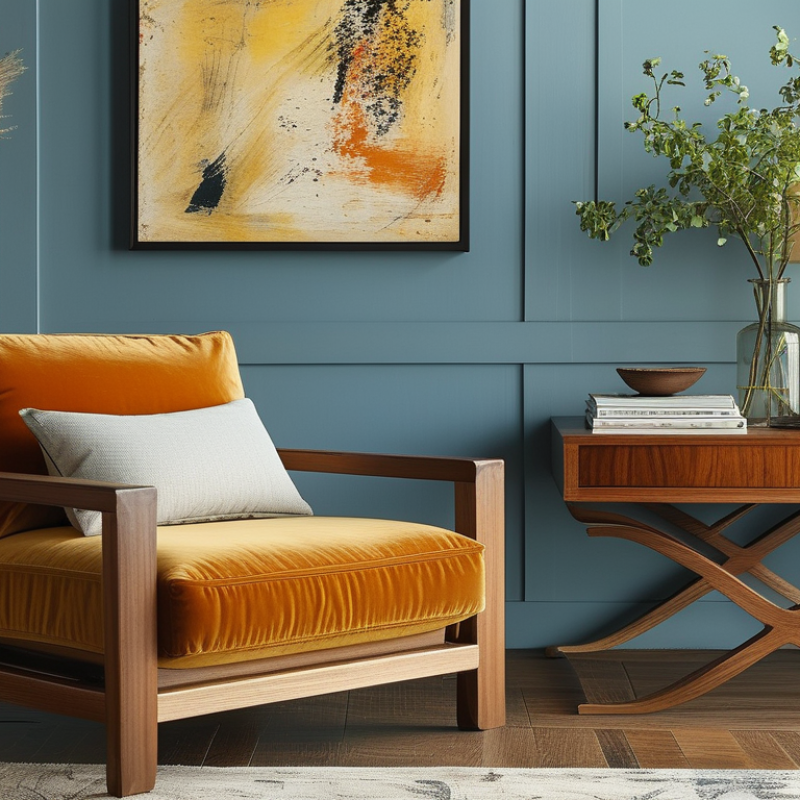
In an attempt to master this art, many feel overwhelmed. It's a journey where trial and error lead to growth. Too often, we forget that mixing textures involves not just a visual exploration, but also a tactile experience. To balance soft fabrics with hard surfaces, like velvet pillows on a wooden chair, is essential in creating a rich environment.
Encouraging creativity, individuals should experiment without fear. Every choice shapes the ambiance. It's okay to make bold mistakes or embrace unexpected combinations. After all, the most stunning home decor often emerges from a blend of uncertainties and discoveries. So, step forth and learn how to effectively combine textures in home craft decor.
Understanding the Importance of Texture in Home Decor
Texture plays a crucial role in home decor. It goes beyond mere aesthetics; it creates a sensory experience. According to a report by the Interior Design Society, over 70% of interior designers believe that texture significantly affects a room's overall mood. Diverse textures can provoke different feelings. For instance, soft textiles can bring warmth, while sleek finishes may evoke modernity.
Combining various textures can create depth and interest. Layering materials such as rough wood, smooth metals, and plush fabrics can engage the senses. A survey by the National Association of Home Builders found that 56% of homeowners prefer spaces that have a mix of tactile elements. However, balance is key. Too much texture can overwhelm a space. Striking the right equilibrium can be challenging but rewarding.
It's essential to consider a room's purpose when combining textures. For example, a serene bedroom might benefit from soft, muted textures. In contrast, a vibrant living area could thrive on bolder, contrasting elements. This understanding fosters a space that feels both inviting and functional. Texture is not just a visual aspect; it demands careful consideration and experimentation, revealing the complexity of effective home decor.
Identifying Different Types of Textures: Soft, Hard, and Natural
When it comes to home decor, textures play a pivotal role in creating visual interest. Understanding different types of textures can transform your living space. Soft textures, like plush fabrics and velvety surfaces, evoke warmth and comfort. According to a recent industry report, 70% of interior designers emphasize that soft textures can enhance relaxation in a room.
In contrast, hard textures include materials like metal, glass, or ceramic. These elements introduce a sense of modernity and structure. Studies show that incorporating hard textures can provide balance in decor, especially when mixed with softer elements. For example, a glass coffee table can complement a soft sofa, adding layers to the room. Yet, an overuse of hard textures may create a cold ambiance, which may not be inviting.
Natural textures, such as wood, stone, and leather, bring an organic feel to any space. Reports indicate that 60% of homeowners prefer natural materials for their aesthetic and environmental benefits. However, achieving harmony with these textures is crucial. Too many natural elements can overwhelm a space, causing disarray. It's essential to find the right blend to maintain a cohesive look.
Texture Types in Home Decor
Layering Textures: Tips for Achieving Depth and Interest
Layering textures is an art that adds depth and visual interest to home decor. Combining various materials can create a dynamic space. Think about mixing soft fabrics with hard surfaces. For example, a silky throw on a rustic wooden chair can create a beautiful balance.
Tips for layering include starting with a base texture. A neutral, soft rug can set the tone. Then, introduce contrasting materials. Combining a chunky knit blanket with smooth leather pillows can make a striking statement. Be playful with shapes and sizes; large cushions paired with smaller, delicate ones work well together.
Don’t be afraid to experiment. Sometimes, a mix can look awkward before it harmonizes. If a combination feels off, reflect on the elements. Adjusting the color palette or swapping textures can dramatically shift the ambiance. Remember, creating stunning decor often involves trial and error. Embrace the process of discovery in your layering journey.
Color Coordination: Balancing Textures with Color Schemes
Color coordination is essential for balancing textures in home decor. When combining materials like wood, metal, and fabric, consider their color relationships. Start by selecting a dominant color for your space. This serves as the foundation for your texture choices. A deep blue wall, for instance, can beautifully contrast with light-colored wood accents. Aim for harmony, but don’t shy away from bold contrasts.
Textures add depth and intrigue to a room. Pair smooth surfaces with rough textures for a layered look. For example, a velvet throw on a linen sofa creates visual interest. Ensure that colors not only complement each other but also reflect the mood you want to establish. Darker shades can evoke a cozy ambiance, while lighter tones can create a fresh, airy feel. Avoid overwhelming your space with too many textures or clashing colors. Sometimes, less is more.
Experimenting is key. You might find unexpected combinations that work. Perhaps a rustic wooden table looks stunning with sleek metal chairs. Take time to reflect on these choices. Pay attention to how textures and colors interact throughout the day as light changes. This ongoing exploration will help you develop a decor style that feels both personal and sophisticated.
Practical Tips for Mixing Textures in Different Rooms
When it comes to home decor, combining textures can create visual interest and depth. Each room presents a unique opportunity to play with various materials. In the living room, for example, mixing soft fabrics with sleek surfaces invites comfort. Plush velvet cushions against a wooden coffee table can make a striking contrast. Layering textures adds warmth and a personal touch to the space.
In the bedroom, consider using a cotton duvet paired with a chunky knitted throw. This combination feels inviting and cozy. Add metallic accents, like a brass lamp or a silver picture frame, to bring a touch of sophistication. Experimenting with different textures can sometimes feel overwhelming. It’s okay if your first attempt doesn’t feel right. Rethinking how each piece interacts is part of the creative process.
For bathrooms, combine smooth tiles with rough textiles like a jute mat. This mix can create a spa-like atmosphere. Incorporate natural elements, such as wooden shelves or stone accessories, for balance. The goal is to create a harmonious space that reflects your style. Don’t be afraid to adjust until it feels just right. Remember, having a few mismatched elements can create charm and personality.
FAQS
: Texture shapes the sensory experience of a room. It affects the mood and invites interaction.
Soft textiles create warmth, while sleek finishes evoke modernity. Each texture tells a different story.
Layer materials like rough wood, smooth metals, and plush fabrics. This creates depth and interest in your space.
Too much texture can overwhelm. Seek equilibrium, and don’t hesitate to reflect on your combinations.
Choose textures that fit the room's mood. A serene bedroom benefits from soft textures; living spaces can handle bolder choices.
Start with a base texture, like a neutral rug. Add contrasting materials for dynamic balance. Experiment with shapes too.
Yes! Perfect combinations may take time. Adjust colors and textures until it feels right to you.
Select a dominant color to guide your texture choices. Aim for harmony but don't shy away from bold contrasts.
Ensure colors complement and reflect the mood. Too many textures or clashing colors can disrupt the flow.
Embrace experimentation. Observe how textures and colors transform under different lighting throughout the day.
Conclusion
In "How To Effectively Combine Textures For Stunning Home Decor," the article emphasizes the significant role that texture plays in enhancing the overall aesthetic of a space. By understanding different types of textures—soft, hard, and natural—homeowners can create appealing environments that reflect their personal style. Key strategies include layering textures to add depth and interest, as well as coordinating colors to balance the various elements. Practical tips are provided for effectively mixing textures in different rooms, showcasing how to combine textures in home craft decor to achieve a cohesive and visually stimulating look. This guide serves as a valuable resource for anyone looking to elevate their interior design through the artful combination of textures.

 RUX Home Crafts