Handmade home decorations add charm and uniqueness to our living spaces. However, they require proper care to maintain their beauty and longevity. According to industry reports, up to 70% of consumers appreciate handmade items for their authenticity and craftsmanship. This highlights the importance of knowing how to maintain handmade home decorations effectively.
To ensure these treasured pieces last, it is crucial to employ effective maintenance techniques. For instance, dusting regularly can prevent dirt buildup that may damage delicate surfaces. Additionally, many handmade items use natural materials, which can be sensitive to moisture and light. This leads us to the question: how to maintain handmade home decorations? The answer involves a blend of specific cleaning methods and protective measures tailored to each unique item.
Many owners overlook the need for proper storage or protection. Exposure to harsh conditions can lead to fading or deteriorating quality. Taking time to learn about the specific requirements of each piece can significantly enhance its lifespan. Ultimately, investing effort in their care will ensure these unique decorations remain vibrant and valued for years to come.
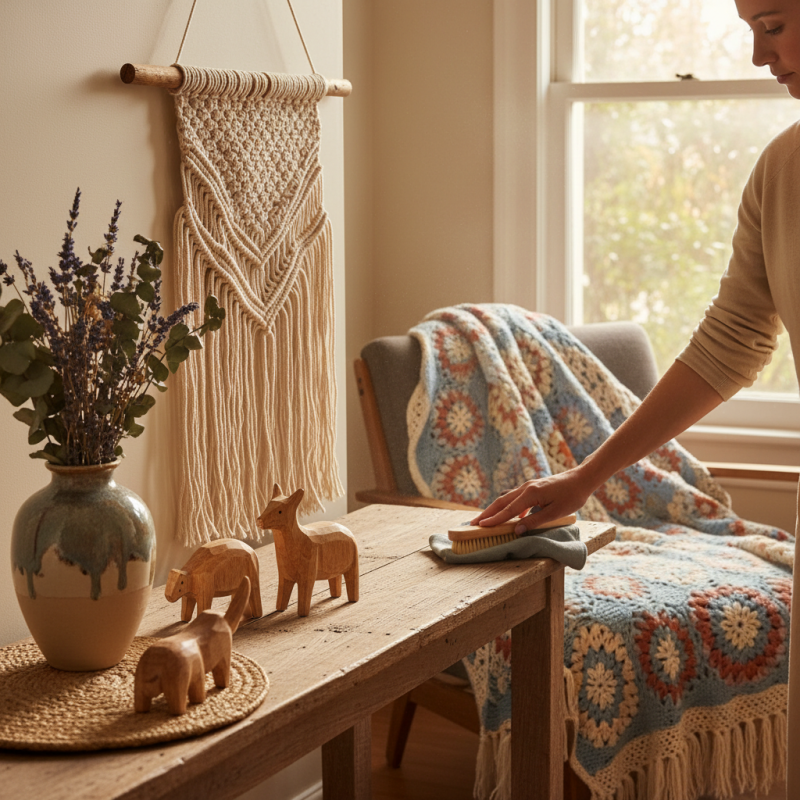
When it comes to handmade home decorations, understanding the materials used is essential. Many items are crafted from natural fibers, wood, or clay. Each material requires specific care techniques to maintain its beauty. For example, a woven basket may attract dust. A gentle shake or soft brush can help keep it clean.
Different materials exhibit unique properties. Cotton may fray over time, while ceramics can chip if not handled carefully. Ensure you’re mindful of placement. Sunlight can fade colors on fabrics, while moisture may warp wooden items. Observe and adjust your display accordingly.
Sometimes, despite our best efforts, damage occurs. A small stain on a fabric piece might deepen if ignored. Immediate attention can often prevent more significant issues. Reflecting on how you care for these items can enhance their longevity. Consider documenting your cleaning practices. This awareness fosters better care in the future and helps maintain their charm.
Cleaning handmade home decorations requires attention and care. These items are usually made from delicate materials, so regular cleaning practices are essential. Dust can accumulate quickly, dulling their beauty and affecting their lifespan.
Use soft, lint-free cloths for most decorations. Gently wipe surfaces to remove dust. This simple act can enhance their vibrancy. For intricate pieces, a soft-bristle brush can help. Pay attention to corners and crevices where dust hides.
Tips for cleaning:
- Always test cleaners on a small area first.
- Avoid harsh chemicals; they can damage delicate materials.
- For fabric decorations, consider vacuuming on a low setting.
Some items may require deeper cleaning, but be cautious. Over-wetting can warp or ruin them. Regularly assess your decorations. If you notice wear or damage, take immediate steps to address it. Reflecting on your cleaning routine will help maintain their charm while ensuring their durability.
Handmade home decorations possess a unique charm, but they can be vulnerable to environmental factors. Sunlight, humidity, and dust can harm these cherished items. Statistics show that around 30% of household damage results from humidity and excessive temperatures. These conditions can lead to materials fading or deteriorating over time.
To safeguard your handmade decorations, it’s vital to keep them away from direct sunlight. UV rays can fade colors and weaken materials. Additionally, maintaining a stable indoor temperature helps prevent warping or cracking. Studies indicate that fluctuating temperatures can reduce the lifespan of various handmade items, with wooden crafts being particularly susceptible.
Regular cleaning is crucial. Dust accumulates quickly and can attract moisture, promoting mold growth. Use a soft, dry cloth to gently wipe surfaces. Consider using a protective spray designed for materials like fabric or wood. However, avoid over-application; too much can lead to build-up that detracts from the item’s beauty. Reflecting on these strategies can enhance the preservation of your handmade treasures and ensure their beauty lasts for generations.
Repairing and restoring handmade decorations requires patience and a keen eye. When a cherished piece gets damaged, assess its condition first. Look for cracks, loose parts, or faded colors. Take detailed notes of the issues. This will guide you in your repair process.
Using the right materials is essential. For example, wooden items may need specific glues or wood fillers. Fabric pieces may require patching or dyeing. Always opt for materials that match the original as closely as possible. Ensuring compatibility will enhance the overall look after repairs.
Often, repairs won't lead to perfection. Embrace the imperfections that come with handmade items. A visible patch can tell a story. It shows resilience and a history. Each flaw carries memories and warmth. Reflecting on these elements can deepen your appreciation for handmade art.
| Decoration Type | Common Issues | Repair Method | Restoration Tips |
|---|---|---|---|
| Ceramic Vases | Chips and Cracks | Use epoxy adhesive to fill cracks | Sand edges after drying for smooth finish |
| Hand-Knitted Wool Items | Pilling and Wear | Use a fabric shaver to remove pills | Store items flat to prevent stretching |
| Wooden Furniture | Scratches and Dents | Use a wood filler for deep scratches | Apply furniture polish for shine |
| Hand-Painted Canvases | Fading Colors | Retouch with similar paint colors | Display away from direct sunlight |
| Glass Art Pieces | Cracks and Breakage | Use specialized glass glue for repairs | Handle with care to avoid future damage |
When it comes to preserving handmade home decorations, effective storage methods are essential. Data from the Craft Industry Alliance shows that over 70% of artisans prioritize preserving the quality of their work. Keeping items in optimal conditions can extend their lifespan significantly.
For cloth-based decorations, ensure they are stored in a cool, dry place. Moisture can lead to mildew and deterioration. Use breathable cotton bags for wrapping. Avoid plastic, as it can trap humidity. A study by the American Society of Home Inspectors indicates that nearly 40% of damage occurs due to improper storage.
For fragile items, opt for cushioned boxes. Wrap each piece in archival tissue paper. This practice will minimize the risk of breakage. Research supports that using proper materials can reduce damage by nearly 60%. Assess your storage regularly. Occasionally, you may find imperfections in how items are protected. Recognizing these issues is part of the responsible care process. This can save your cherished decorations for years to come.
: Handmade decorations often use natural fibers, wood, or clay. Each material has specific care needs.
A gentle shake or soft brush can help remove dust. Regular cleaning is essential to maintain its appearance.
Sunlight, humidity, and dust can harm handmade items. These elements may cause fading and deterioration over time.
Keep fabric decorations away from direct sunlight. UV rays can weaken materials and fade colors significantly.
Store them in a cool, dry place using breathable cotton bags. Avoid plastic to prevent moisture accumulation.
Use cushioned boxes and wrap pieces in archival tissue paper. This minimizes the risk of breakage effectively.
Regularly wipe surfaces gently with a soft, dry cloth to prevent moisture buildup and mold growth.
Ignoring a small stain can lead to more significant damage. Quick action often prevents long-term issues.
Fluctuating temperatures and high humidity can reduce the lifespan of decorations, especially wooden crafts.
Regularly reviewing storage conditions helps identify imperfections. Recognizing these issues can enhance item preservation.
Caring for handmade home decorations is essential to preserve their beauty and longevity. To understand how to maintain handmade home decorations effectively, one must first consider the materials used in these unique pieces. Different materials require specific cleaning practices; therefore, it's vital to adopt regular cleaning routines that are gentle yet effective. Additionally, safeguarding these items from environmental damage, such as excess moisture or direct sunlight, will help maintain their original charm.
In case of wear and tear, knowing how to repair and restore handmade decorations is crucial. Simple techniques can breathe new life into cherished items. Lastly, proper storage solutions are key to preventing damage when decorations are not in use. By following these guidelines, you can ensure your handmade home decorations remain stunning and preserved for years to come.

RUX Home Crafts