Top Home Craft Display Ideas for Small Apartments

Time:2026-09-25 Author:Aria
0%

Small apartments can still make handmade work feel personal, not crowded. A rotating display often works better than filling every wall. Try a shallow picture ledge, a corkboard above a desk, or one framed embroidery piece beside a window. Small spaces demand restraint. The best arrangement leaves room for daily life, too.

The 2024 U.S. Houzz & Home Study reported a $24,000 median renovation spend among surveyed homeowners for projects completed in 2023. That figure is not specific to craft displays or renters, but it reflects continued investment in making homes work better. For a small apartment, thoughtful display ideas can begin with existing furniture, removable hooks, and a few well-chosen objects—not a major renovation. Organizing consultant Marie Kondo writes, “The question of what you want to own is actually the question of how you want to live your life.” Her advice offers a useful lens: show pieces that matter, and store the rest within easy reach. Details matter. A tiny ceramic dish can hold pins; a narrow shelf can turn a collection of postcards into a changing gallery. Still, not every clever idea suits every room. Test one arrangement for a week, notice what feels cluttered, and adjust. This guide to Home Craft Display Ideas For Small Apartments focuses on practical, low-footprint ways to make creative work visible without sacrificing clear surfaces, comfortable movement, or a calm place to unwind.
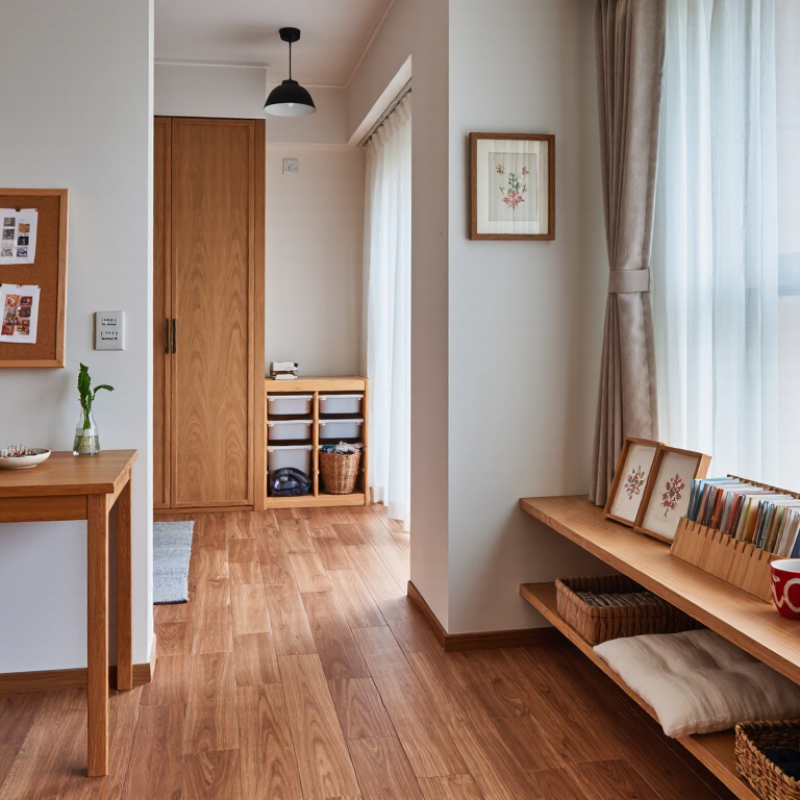
Top Home Craft Display Ideas for Small Apartments

Choosing Craft Displays That Fit Small Apartment Layouts

Top Home Craft Display Ideas for Small Apartments

Choosing craft displays that fit a small apartment starts with the room’s actual traffic patterns. Measure wall depth, door swings, and the space beside your bed before buying shelves. A narrow picture ledge can hold finished work without claiming floor area; keep heavier pieces low and secure. Leave breathing room. The National Association of Realtors’ 2023 Profile of Home Staging found that 81% of buyers’ agents said staging helped buyers visualize a property as their future home. That supports a practical display principle: show a few pieces clearly, rather than crowding every surface.

Choose displays that can change jobs. A shallow wall grid can hold small prints today and tools tomorrow; a lidded bench can store yarn while serving as seating. Houzz’s 2024 U.S. Houzz & Home Study reported that 54% of surveyed homeowners undertook renovation projects in 2023. In a rental or compact unit, however, permanent changes may not suit the space. Try removable hooks, freestanding shelves, or one foldable tabletop instead. Measure twice. A display can look neat in a photo yet obstruct a closet in daily use, so test the arrangement with a laundry basket or chair before committing. Keep the pieces you love visible, but rotate the rest into labeled boxes. That can feel a little sparse at first.

Top Home Craft Display Ideas for Small Apartments

Compare the projected display area of compact setups to help choose an option that fits your layout.

Areas are calculated from the example dimensions shown: a 24 × 6 in wall shelf, 18 × 24 in pegboard, 12 × 12 in tiered-tray base, and 16 × 12 in rolling cart. Actual sizes vary; measure your available wall or floor space before choosing.

Using Walls and Vertical Space for Craft Displays

In a small apartment, a wall can become useful display space without taking over a table. Choose one clear area, such as the wall above a narrow desk, and keep the arrangement within easy reach. A pegboard holds lightweight tools, small baskets, and works in progress. Use hooks that suit the board, and secure the board with fixings appropriate for your wall type.

For finished pieces, try shallow picture ledges or slim shelves. They let you change the display without making new holes each time. Keep heavier frames on securely mounted shelves, and check the hardware’s weight limits before hanging anything. A few centimeters of depth is usually enough for a small frame or folded paper work. Less can feel calmer.

Mixing heights adds interest, but leave some bare wall around each piece. It helps individual projects stand out and makes the display easier to dust. Clips or a short hanging rail can hold sketches that change often. Avoid placing delicate paper in direct sunlight, which can fade colors over time. A crowded wall can look lively at first, yet feel tiring when every space is filled. Leave room for the next project, even if the arrangement seems unfinished.

Creating Compact Displays with Shelves and Multiuse Furniture

Top Home Craft Display Ideas for Small Apartments

Compact displays work best when they use vertical space without making a room feel crowded.

RentCafe’s 2023 analysis of Yardi Matrix data put the average U.S. apartment at about 908 square feet, a useful reminder that every shelf has to earn its place.

Try a narrow wall shelf above a desk or sofa, then group handmade pieces by height: a small ceramic bowl beside a taller framed print leaves breathing room. Keep heavier objects on lower shelves and secure wall-mounted units properly.

A display should be easy to dust and reach, not just attractive in a photograph.

Tips:

Choose furniture that does double duty. A storage bench can hold yarn or craft tools while displaying a rotating selection of finished work; a nesting table can offer a temporary surface for arranging pieces. Measure the furniture and wall before buying, and leave clear space around doors and walkways. Too many objects can make even a tidy shelf feel cluttered. I still find that one empty section often improves the whole arrangement, though it can feel unfinished at first. Rotate seasonal crafts rather than adding another layer.

Grouping Crafts by Color, Material, or Theme

In a small apartment, a craft display works best when its groupings feel intentional rather than crowded. Try arranging handmade pieces by color: pale ceramics, folded paper, or painted stones can create a calm strip on one shelf. Repeat one shade in two or three objects, then leave a little space around them. That breathing room matters. A crowded display can make even lovely work feel like storage.

Material-based groupings add texture. Place woven pieces together, or pair smooth glass with rough, unfinished wood. Keep heavier objects low and secure, especially on narrow shelves. For a more personal arrangement, group crafts by theme, such as botanical prints, tiny landscapes, or objects collected from a family project. A shallow tray can hold small pieces without letting them spread across a desk. Measure the shelf before adding anything; I have seen a neat arrangement lose its shape when one oversized piece is squeezed in.

These categories can overlap, but too many rules may make a display feel stiff. Start with one grouping and live with it for a few days. Notice what catches your eye from the doorway, not just up close. If colors clash, edit one item rather than replacing everything. And leave room for the next piece. Your first arrangement may not be quite right.

Top Home Craft Display Ideas for Small Apartments — Grouping Crafts by Color, Material, or Theme
Grouping Method Best Crafts to Display Small-Space Placement Suggested Arrangement Space-Saving Tip Care and Safety
By color Paintings, knitted pieces, handmade ceramics, paper art, or small decorative objects that share one or two colors. A narrow wall shelf, picture ledge, or a small section of a bookcase. Choose a limited palette, then vary the shapes and heights of the pieces. Leave a little visible space between objects so each item can be seen. Use a picture ledge to display lightweight art without placing multiple frames across the floor or a tabletop. Keep heavier objects on stable shelves. Avoid placing delicate paper or textiles in prolonged direct sunlight, which can cause fading.
By material Wood carvings, woven baskets, fabric crafts, glass objects, or handmade clay pieces. A bookcase, wall-mounted shelves, or a shallow console near an entryway. Group similar materials together, and create contrast with differences in texture, finish, or form. Use one compact tray or shallow basket to keep small related pieces together and make the display easier to move. Place fragile glass and ceramics away from shelf edges. Check that wall shelves and their fixings are suitable for the combined load.
By theme Travel souvenirs, nature-inspired crafts, seasonal decorations, or pieces based on a shared subject. A single shelf, a desk corner, or a small display area above a work surface. Choose one main piece as a focal point and arrange smaller related crafts nearby. Keep the collection visually cohesive by limiting unrelated objects. Rotate seasonal or less-used pieces in and out instead of displaying the entire collection at once. Keep displays clear of heaters, cooking surfaces, and walkways. Store items not currently on display in a dry, protected place.
By size and shape Miniature sculptures, small framed artwork, handmade ornaments, and other compact crafts. A windowsill away from strong direct sun, a bookcase, or a tiered tabletop stand. Place taller items toward the back and shorter items toward the front. Repeat a shape or form to give the grouping a sense of order. Use vertical space with a tiered stand or stacked display risers rather than spreading pieces across a wide surface. Ensure the stand sits level and does not block a window latch, vent, or frequently used surface.
By craft process Embroidery, pottery, paper crafts, beadwork, or small projects from the same making technique. A dedicated section of a bookcase or a wall display near a hobby area. Display finished pieces together, and include one relevant tool or material only if it is clean, safe, and part of the intended display. Use a lidded box or drawer for spare tools and supplies so the display stays uncluttered. Keep sharp tools, loose beads, and small parts out of reach of children and pets. Follow care instructions for each material.
By color and theme A coordinated set of handmade cards, painted objects, small framed prints, or decorative pieces around one subject. A compact gallery wall or a short picture ledge in a living area or hallway. Repeat one accent color across the group while varying the subject or frame shape. Lay out the arrangement before hanging it. Use removable picture-hanging solutions only when they are appropriate for the wall surface and the weight of the item. Follow the hanging hardware instructions and avoid placing artwork where doors or furniture could strike it.

Rotating Displays to Keep Small Spaces Uncluttered

In a small apartment, a craft display works best when it changes rather than expands. Choose one narrow shelf, picture ledge, or tabletop tray as the active spot. Show only a few pieces at a time: a knitted sample, two clay ornaments, or a small framed print. Leave visible space around each item. It matters.

Rotate the display every few weeks, or whenever the room starts to feel crowded. Store off-duty crafts in a shallow, labeled box under the bed or inside a closet. Wrap delicate pieces in clean paper, and keep textiles dry and away from direct sunlight. A quick phone photo can help you remember combinations you liked. I sometimes leave a favorite piece out for too long, though; dust gathers, and the shelf begins to feel less special.

Keep heavier objects low and secure, especially on shelves near doors or walkways. For a rented home, a tray or freestanding ledge can avoid extra wall holes. Try one color or material as a loose theme, but don’t force every piece to match. Some combinations may look awkward at first. Swap one object, step back, and notice whether the room feels calmer.

FAQS

How do I choose a craft display for a small apartment?

Measure wall depth, door swings, and nearby walking space. A narrow picture ledge saves floor area. Leave breathing room.

What should I test before installing a shelf?

Place a chair or laundry basket near the proposed display. Open doors and walk past it. My first layout blocked a closet.

Which displays work well without permanent changes?

Try removable hooks, freestanding shelves, or one foldable tabletop. These options suit many rental spaces. Check their weight limits carefully.

How can one display serve different purposes?

Use a shallow wall grid for artwork today and tools tomorrow. A lidded bench can store yarn and provide seating. Keep it flexible.

How should I group crafts by color?

Repeat one shade across two or three objects. Pale ceramics and painted stones can form a calm shelf arrangement. Avoid filling every gap.

Can I group crafts by material?

Yes. Place woven items together, or pair smooth glass with rough wood. Keep heavy pieces low and secure.

How can I display small crafts without spreading clutter?

Use a shallow tray for tiny pieces. It keeps objects contained on a desk or shelf. Measure the tray area first.

What should I do when the arrangement feels crowded?

Remove one object before replacing everything. Rotate extra pieces into labeled boxes. A sparse shelf may feel strange initially, but it can look clearer.

Conclusion

Home Craft Display Ideas For Small Apartments focus on showcasing handmade pieces without making a compact home feel crowded. Start by choosing displays that suit the room’s layout, leaving clear pathways and keeping frequently used areas practical. Make use of vertical space with wall-mounted arrangements, hanging displays, or narrow ledges, so treasured crafts can be seen without taking up valuable floor space.

For a tidy, flexible setup, combine compact shelves with multiuse furniture that offers both storage and a place to display a few favorite items. Group crafts by color, material, or theme to create a cohesive look, and leave some space around each grouping so individual pieces stand out. Rotating displayed items from time to time keeps the room feeling fresh while allowing the rest of a collection to be stored neatly. With thoughtful placement and regular editing, even a small apartment can feel personal, organized, and welcoming.

Aria

Aria

Aria is a dedicated marketing professional with a deep passion for innovative strategies and a keen understanding of our company's product offerings. With a wealth of experience in the industry, Aria excels at crafting engaging content that highlights the unique features and benefits of our......