How To Choose Eco Friendly Home Crafts for Sustainable Living?

Time:2026-05-05 Author:Sophia
0%

Crafting a sustainable home is an evolving journey. Many seek to embrace eco-friendly practices. Yet, how do we navigate the world of home crafts? "How To Choose Eco Friendly Home Crafts" is not just a simple question. It reflects values of sustainability, creativity, and mindfulness.

In choosing eco-friendly crafts, consider your materials and their sources. Look for natural, recycled, or upcycled items. These choices often require some effort and research. It may lead to frustrations, but the process is part of learning. Reflect on what makes an item truly sustainable.

Also, think about the skills you possess or wish to develop. Are you a beginner or an expert? Each craft has its challenges. Sometimes, the project may not turn out as expected. That’s okay. Embrace the imperfections. They remind us of our efforts. The goal is to create a loving, eco-conscious space that reflects who you are.
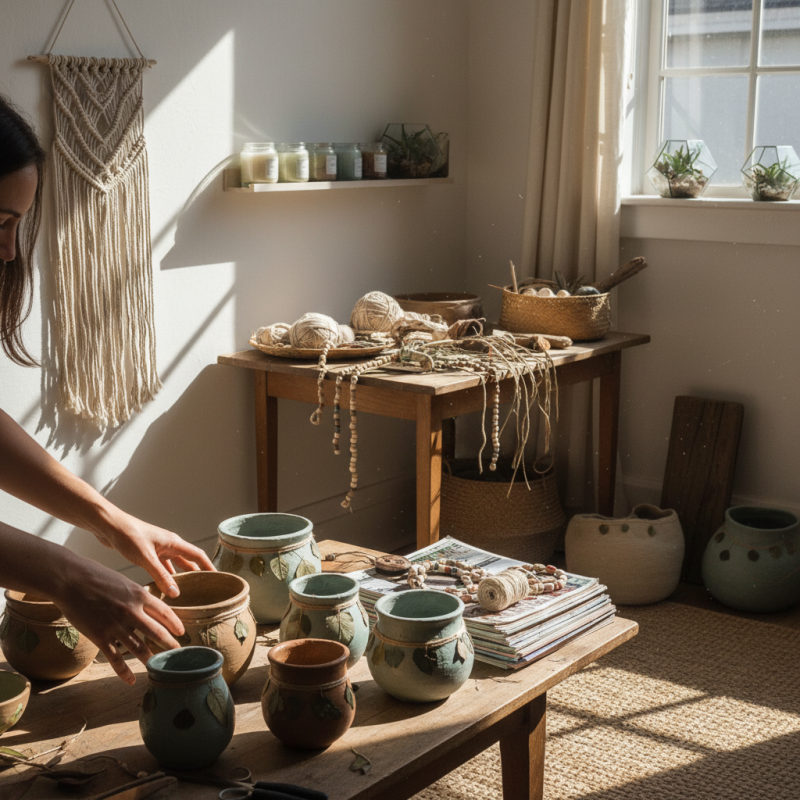
How To Choose Eco Friendly Home Crafts for Sustainable Living?

Understanding the Importance of Eco-Friendly Crafts in Sustainable Living

Eco-friendly crafts play a crucial role in sustainable living. They help reduce waste and minimize the use of harmful materials. Engaging in eco-friendly crafting fosters creativity and promotes mindfulness about our environment. By using recycled, biodegradable, or natural materials, we contribute to a healthier planet. This approach encourages us to rethink our consumption habits.

Choosing eco-friendly materials can be challenging. Not all so-called eco-friendly products are truly sustainable. Sometimes, labels can be misleading. One should research the source of materials and their environmental impact. Local crafts supply shops often offer materials that are less processed and more sustainable. Exploring nature can also provide inspiration and raw materials, like leaves and stones.

Creating eco-friendly crafts also offers an opportunity for reflection. We can examine our relationship with the environment while crafting. Each project can serve as a reminder of our responsibilities. It is important to acknowledge that not every attempt will be perfect. Embracing imperfections can lead to more innovative solutions and growth in our crafting practices.

Eco-Friendly Home Crafts and Their Impact on Sustainable Living

This bar chart illustrates the environmental impact scores of various eco-friendly home crafts, highlighting the significance of choosing sustainable materials for a greener lifestyle. A higher score indicates a greater positive impact on sustainable living.

Criteria for Selecting Sustainable Materials for Home Crafts

When choosing materials for eco-friendly home crafts, consider natural and renewable resources. Look for items made from wood, organic cotton, or recycled paper. These materials not only reduce waste but also minimize environmental impact. They can be sourced locally, cutting down on transportation emissions. Local materials support community economies, fostering sustainable practices.

Avoid synthetic or non-biodegradable materials. Plastics can take hundreds of years to decompose and often end up in landfills. Reflect on the lifecycle of the materials you choose. Even biodegradable options can be harmful if not disposed of properly. Always think about where your craft supplies will end up after use.

Try to select items with minimal packaging. Excess packaging contributes to waste. Aim for products that come directly from the source. This reduces the carbon footprint associated with distribution. Keep an eye out for certifications indicating sustainable practices. However, remember that not all certifications hold the same weight. Research is essential; not every label is trustworthy. By being mindful of your choices, you can craft beautifully while caring for the planet.

How To Choose Eco Friendly Home Crafts for Sustainable Living?

Material Type Sustainability Rating Source Biodegradability Recyclability
Bamboo High Fast-growing plant Yes Yes
Recycled Paper High Recycled materials Yes Yes
Cotton (organic) Medium Organic farming Yes Yes
Glass High Recycled sources Yes Yes
Aluminum Medium Recycled content Yes Yes

Creative Techniques for Upcycling Household Items into Eco-Friendly Crafts

Creative techniques for upcycling household items can transform waste into beautiful crafts. Many people overlook the potential of items they already own. For example, old glass jars can be painted and used as charming vases. Start by cleaning the jars thoroughly. Then, apply a coat of non-toxic paint. The result is a unique decoration that brings your home to life.

Another great project is turning worn-out T-shirts into tote bags. Cut off the sleeves and neckline to create handles. By sewing the bottom closed, you give that old shirt a new purpose. This simple technique reduces fabric waste and showcases creativity. It’s a fun activity, but be prepared for some trial and error. You might find uneven seams or misshapen bags, but those imperfections tell a story.

Creating art from discarded materials can be rewarding yet challenging. Collect items like buttons, fabric scraps, or broken jewelry. These can become part of a vibrant collage. Experimentation is key here. Sometimes, pieces might not fit as you imagined. Allow for adjustments and embrace the unexpected. Each project reveals the beauty of imperfection and sustainability. Enjoy the process, and let your imagination run wild.

Tips for Finding Eco-Friendly Craft Supplies and Resources

When searching for eco-friendly craft supplies, consider sourcing from local artisans. Supporting local businesses reduces carbon footprints. Look for natural materials like wood, cotton, or recycled papers. These options often boast fewer chemicals and better biodegradability. Visit local farmers' markets or craft fairs to discover sustainable options firsthand.

Research online to find suppliers who prioritize sustainability. Many websites now focus solely on eco-friendly goods. Read reviews and check ratings to ensure quality. Remember, not all products labeled "eco-friendly" truly are. Some may still have harmful components. Be prepared to ask questions about sourcing and production practices.

Lastly, consider upcycling materials from your home. Old newspapers, glass jars, or fabric scraps can transform into unique crafts. This approach minimizes waste and spark creativity. However, it might feel challenging at first. It requires thinking outside the box and reassessing what you considered waste. Embrace the journey of crafting consciously, and allow room for mistakes along the way.

Incorporating Nature and Biodiversity in Home Craft Projects

When choosing eco-friendly home crafts, consider incorporating nature and biodiversity. Use materials that are sustainable and safe for the environment. According to the World Wildlife Fund, about 1 million species face extinction due to habitat loss. By integrating natural elements into your projects, you can help preserve biodiversity.

For example, consider using upcycled materials for creating art. An estimated 80% of all consumer products end up in landfills, contributing to environmental degradation. Crafting with salvaged wood, glass, or fabric can reduce waste. You can create beautiful, practical items while fostering a connection to the earth.

Nature-inspired crafts can also promote mental well-being. A study published by Environmental Psychology shows that spending time in natural settings boosts creativity and reduces stress. Try using pressed flowers or leaves in your projects. However, be mindful of local ecosystems. Harvesting too many can harm the environment. Reflect on your craft's impact and strive for balance.

FAQS

: What are eco-friendly crafts?

: Eco-friendly crafts use natural, recycled, or biodegradable materials to reduce waste. They promote sustainable living.

Why are eco-friendly crafts important?

They minimize harmful materials and waste, fostering creativity and mindfulness about the environment.

How can I choose sustainable materials?

Look for natural resources like wood and organic cotton. Recycled paper is also a good choice.

Are all eco-friendly products truly sustainable?

Not always. Labels can be misleading, so research the source and impact of materials used.

How does local sourcing benefit eco-friendly crafting?

Local materials reduce transportation emissions and support community economies, fostering sustainability.

What should I avoid when selecting crafting materials?

Steer clear of synthetic, non-biodegradable materials, as they harm the environment and contribute to waste.

How can I reduce packaging waste in my crafts?

Choose items with minimal packaging or sourced directly from the producer to lessen carbon footprints.

How can I find eco-friendly craft supplies?

Visit local markets, research online suppliers, and read reviews to ensure sustainability in products.

What is upcycling in crafting?

Upcycling involves reusing materials from home, like old newspapers or fabric scraps, to create new crafts.

Is it okay if my eco-friendly projects are not perfect?

Yes, embracing imperfections can lead to innovative solutions and personal growth in crafting practices.

Conclusion

In today’s world, understanding the importance of eco-friendly crafts is vital for promoting sustainable living. When learning how to choose eco-friendly home crafts, one should consider criteria such as the sustainability of materials and the potential for upcycling. Creative techniques for transforming everyday household items into beautiful crafts can significantly reduce waste while fostering creativity.

Additionally, finding eco-friendly craft supplies and resources is essential for ensuring that projects support environmental well-being. Incorporating elements of nature and biodiversity into home craft projects not only enhances aesthetic value but also reconnects us with our surroundings. By prioritizing these aspects, individuals can enjoy crafting while contributing to a more sustainable future.

Sophia

Sophia

Sophia is a dedicated marketing professional with an exceptional depth of knowledge about her company's products and services. With a keen understanding of market trends and customer needs, she crafts insightful blog posts that not only inform but also engage readers, enriching the company’s online......